
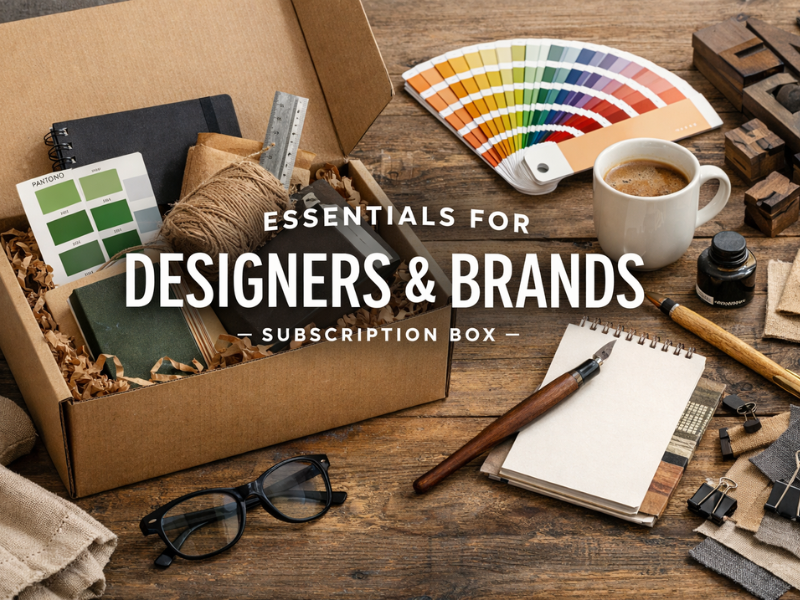
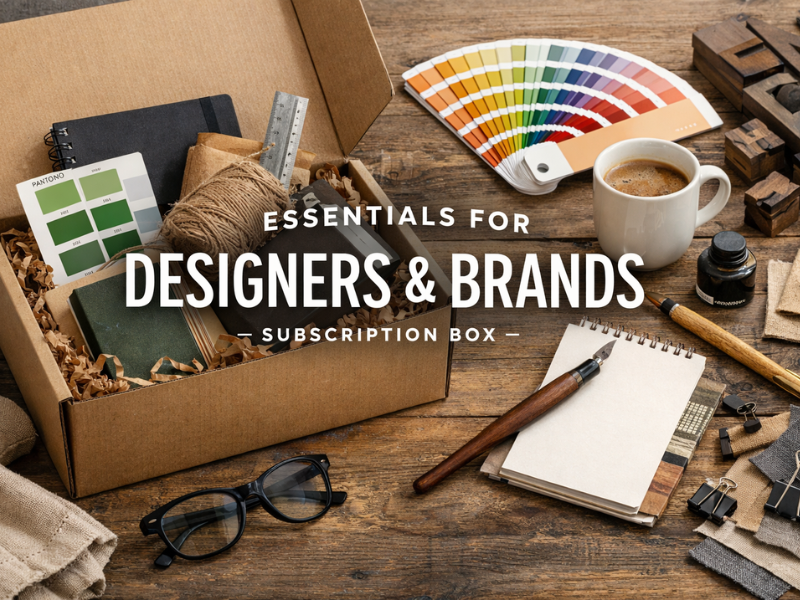
A specified subscription box goes beyond a container and is an ongoing brand experience that is brought to the doorstep of your customer. Since the appearance of the past box until the last touch of the box in the end, each design decision determines the perception, fulfillment, and retention. In the case of subscription-based brands, the packaging is not a single impression but a repetition of a chance to reinforce the value.
A subscription delivery has more expectations than the normal packaging of the products. Customers are not just making a purchase they are investing in prospect, discovery and consistency. The unboxing experience has to warrant the repetitive cost per box, create suspense and motivate members to keep on subscribing.
Within the scope of this guide, we will speak about the design of a high-impact subscription box that will strike the right balance between branding, protection, and the unboxing experience.
Section 1: What Is Subscription Box Designer Packaging?
Definition & How It Differs from Standard Packaging
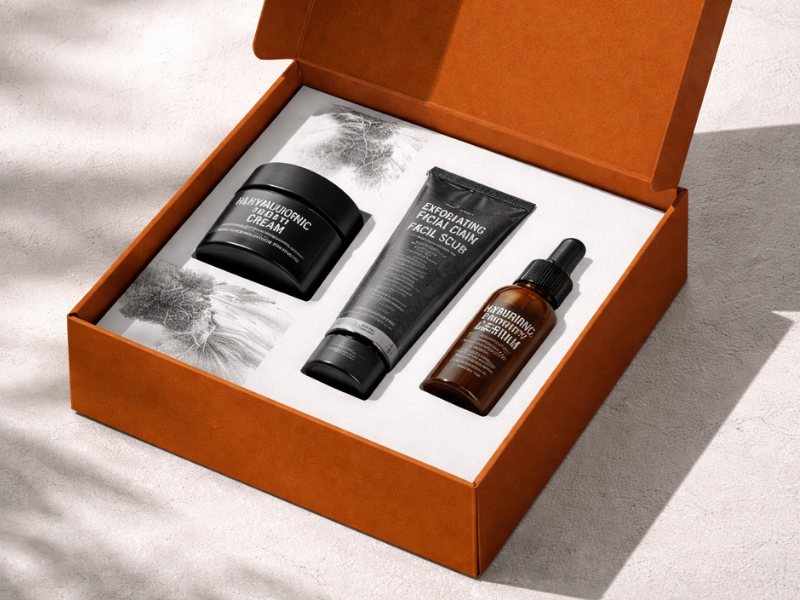
Design Subscription box packaging design is the design planning of a box that is used to deliver products on a recurring basis. The subscription box, as opposed to the one-time retail packaging, is required to be consistent in its shipments throughout several shipping runs and also to be brand-appealing. It is not only regarding aesthetics it has to endure transportation, preserve items of collection and preserve quality of presentation.
Normalistic packaging is concerned with protection and display on a single sale. A subscription box, in its turn, should facilitate frequent deliveries, changing product selections, and narrative of the stories. The box is not a secondary component of the product, but the part of it.
Balancing Branding, Protection & Surprise
Effective subscription packaging is an art that combines four fundamental elements, including effective branding, safe structure, and repeatability, and an element of surprise. Since the customers are offered delivery either monthly or seasonally, the packaging should not be unfamiliar but new. This equilibrium contributes to keeping anticipation and not to compromise consistency.
Security is also significant. As the subscription brands usually deliver several items in the box, small accessories, and delicate items, internal stability helps to avoid damages and safeguard the perceived value. A broken first box may have a serious effect on retention levels.
The Role of Packaging in Customer Retention
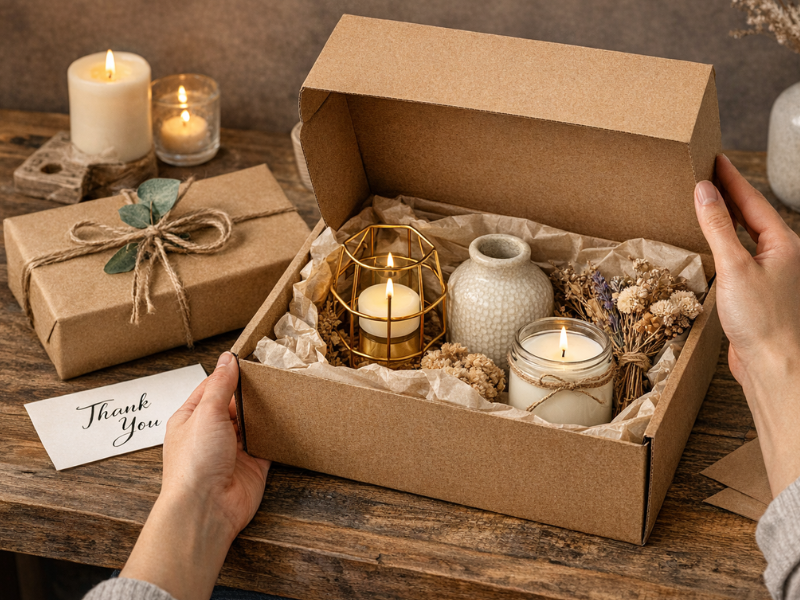
Subscription retention directly depends on packaging. Indicatively, home subscription boxes with home decor, decorative candleholders, or any lifestyle accessories use packaging as a tool to promote perceived value. Although the real cost per piece may be slight, consideration in packaging will add value to the experience.
Studies have always indicated that satisfaction is affected by unboxing experiences. A packaging experience found that a high quality of packaging leads to customer perception and will do business with the company again. Under the subscription model, that has a direct effect on recurring revenue.
Brand Storytelling & Membership Experience
A subscription box can be described as a kind of a continuation of a members only shop which underlines exclusivity and access. The sense of belonging has to be reflected in the packaging. When a printed card or note or story is included behind the curated products, the emotional connection is added.
Most dominant brands communicate brand identity across past cycles using packaging. Packaging can be used to generate continuity and anticipation by using previous boxes, introducing limited collections or by pre-announcing the next releases.
Section 2: Key Elements of a Well-Designed Own Subscription Box
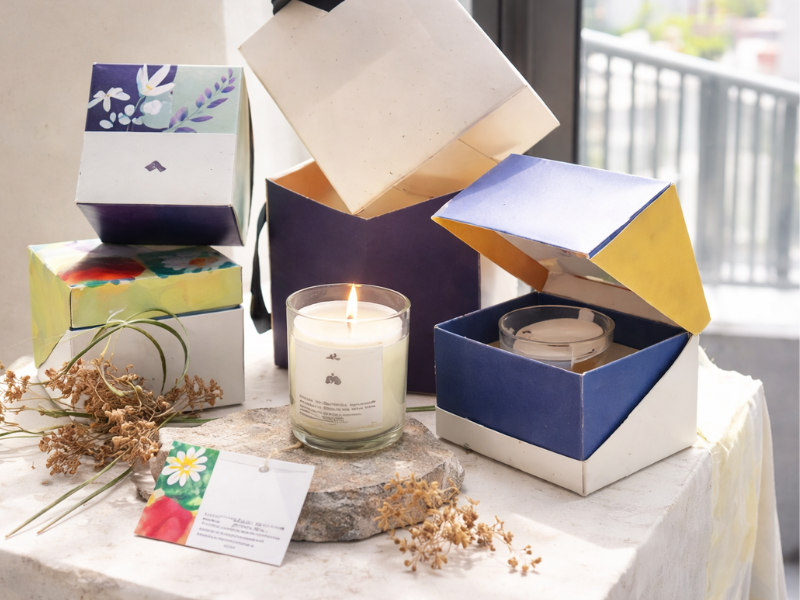
To create an effective subscription box, one must be concerned about the look and functionality of the box. Since the subscription deliveries are recursive either monthly or seasonally, the box has to survive the recurrence of shipping cycle and still hold a good brand image.
Exterior Design: Structure, Durability & Brand Impact
A subscription box exterior has to be structural integrity-focused. The box should be able to withstand compression, stacking pressure, and transportation handling since the brands usually deliver the products to customers themselves. Using durable corrugated materials will result in most delicate items reaching their destination without any damage and this will save trust and the amount of returns.
In addition to protection, exterior design should be able to show the brand identity. A uniform logos, typography and colour system also make subscribers identify the delivery instantly. The firm exterior branding strengthens the familiarity particularly to consumers who get to have monthly box again and again throughout a year.
Interior Design: The Core of Subscription Experience
Although the exterior design is the one which draws attention, it is the interior of a subscription box that determines the experience. Subscribers do not want meaningless placement of products they want an edited presentation to be shown to the subscriber in the way of discovery. Harmonious arrangements are useful in making sure that the items that are curated are deliberate and not haphazardly arranged.
Protection and aesthetics have to be balanced in terms of interior design. Products are held in transit by inserts, dividers, molded trays or custom compartments and provide a clean visual presentation. This is particularly relevant in home decor, delicate candle holders or little lifestyle accessories that can move during shipping.
As Shopify advice on what eCommerce brands should package their products in, the perception of value and retention among customers is enhanced by the design of interior packaging. In the case of subscription, that value addition can have direct effect on renewal.
Balancing Protection and Visual Appeal
The packaging of subscription has to be structurally safe, not to be too protective or industrial. The over-padding might result in the experience being transactional instead of curated. On the other hand, inadequate security poses the risk of spoilage of products and failure to satisfy subscribers.
The designers ought to consider product variation in different cycles. It is important to use the appropriate materials. Corrugated inserts, paper wraps, or molded pulp trays are all durable and do not contradict the requirements of sustainability. Material decisions that are responsible would also create more brand trust, particularly among eco-conscious subscribers.
Creating Consistency Across Recurring Shipments
Subscription brands should be consistent and at the same time offer variety. The basic box design does not vary much since it is necessary to control the cost of the item and ensure efficiency, and the interior prints or inserts are different depending on the theme of the month or the theme of the season.
This design of modulus enables the brands to renew the experience without added complexity to production. As an illustration, changing the graphics on the interior or providing a themed product card can change the experience with a consistent main box.
Section 3: Interior Design Ideas for Subscription Boxes
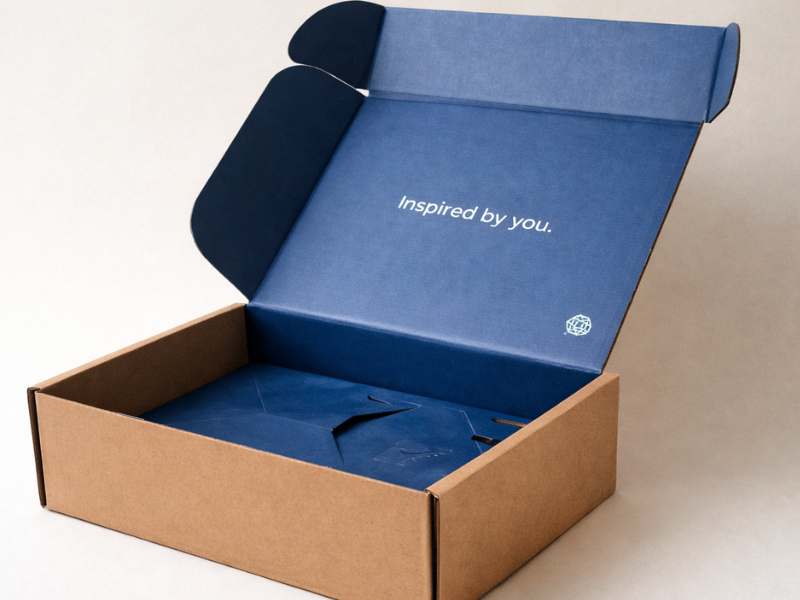
The experience starts with the inside of a subscription box. Subscribers do not merely open package workings they are finding carefully edited merchandise that is thoughtfully organized. A good interior design makes the ordinary delivery experience more of an anticipation, which underlines the reason why the customers remain on their subscription every month.
Substitution interiors with cycling box items have to be designed unlike conventional product packaging. This can only be done with intelligent planning so that there is flexibility in planning without the loss of structure. Interior design is not the ornament it is tactical display along with safeguarding.
Layered Unboxing Experience for Leading Brands
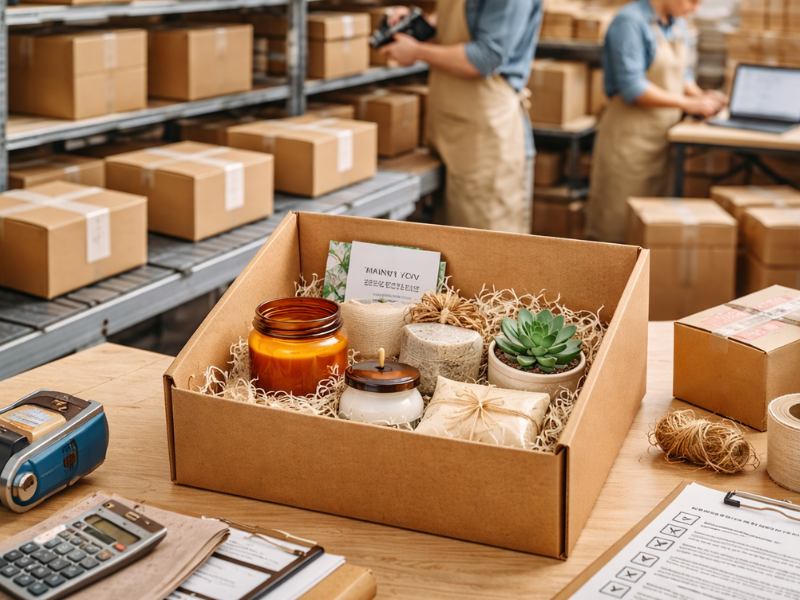
A staged uncovering approach improves the excitement and value. Layered interiors can be used particularly with home subscription boxes including more than one home decor or lifestyle accessory. All the reveals are intentional making the unboxing an agentic process instead of a chaotic unpacking. The structure is also useful in safeguarding delicate products when they are being shipped.
Incorporating storytelling via color and message, brands tend to match interior layers with a monthly theme, or a seasonal theme. Layered interiors when properly implemented bring even relatively cheap products to high-end experience.
Custom Inserts & Structural Supports
Custom inserts are also very important in product stabilization of the product during transit. Items are fixed using cardboard dividers, molded pulp trays or paper-based compartments which stop movement. This is especially necessary in the shipping of decorative items like candle holders, glass items, and a package of accessories.
In its cost considerations, the designers have to strike a balance between the complexity of the insert and the price per box. Highly efficient insert systems which scale to numerous product variations save on tooling costs and maintain structural integrity.
Brand Messaging Inside the Box
Internal communication enhances emotional bonding and strengthen the brand allegiance. Adding a printed note, welcome card, or product guide would facilitate the explanation of the story behind curated selections. This communication enhances the feeling of belonging and exclusivity.
Interior communication is another chance to present a limited edition product or a new product opening which can be offered in the members only shop. The process of packaging becomes an avenue of direct communication instead of a shield.
Sample Layout Strategies for Multi-Item Boxes For Home Decor
Spatial planning is important in designing layouts of various products. The bulkier ones need to be at the center in order to balance the weight, with the rest of the accessories placed around them. Visual grouping is clean, and allows the subscribers to easily comprehend what they have obtained.
Another issue that designers should take into consideration is the way the box will be opened. The premium items at the highest layer would strengthen the excitement, particularly in the case of a first box experience. Positioning has a direct effect on emotional reaction.
Minimal vs Premium Interior Positioning
A high-end interior is not necessary in all subscriptions. There are brands that are at a lower price point where economy is more of an issue than fancy showcasing. In such situations, simple and minimalist interiors, with simple wrapping and the clean design might be more suitable.
Flexibility for Changing Product Mixes
Subscription brands often change curated products, and this requires flexibility. The interior systems will need to be able to take different product dimensions without necessarily having to build a totally new box structure each month. This variation is supported by modular inserts or adjustable compartments.
This flexibility is also beneficial in controlling the cost in the long run. Rather than redesigning the packaging every cycle, the brands keep the same structure box but change the interior elements. The scalability guarantees long term operation efficiency.
Section 4: Subscription Box Design for Designers
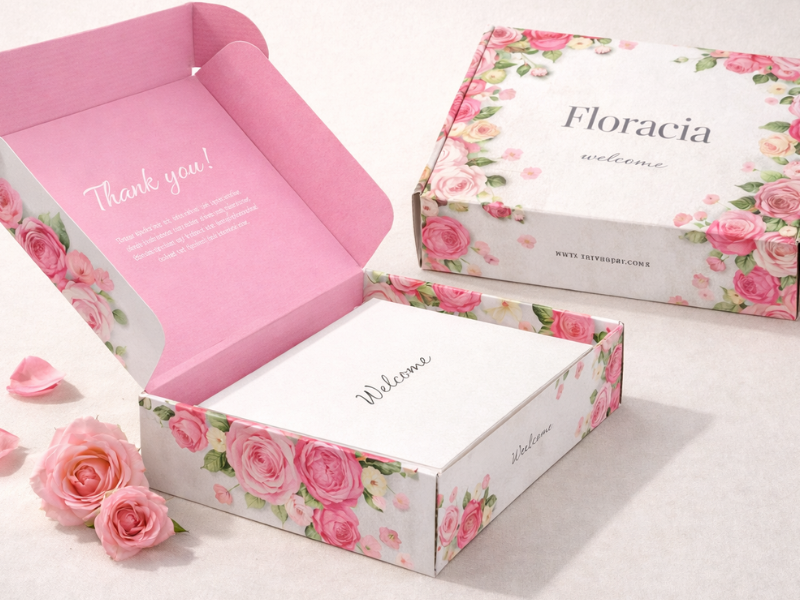
It is not just visual creativity to design a successful subscription box. It requires strategy planning, awareness of production and knowledge of recurrent fulfillment models. Any subscription box designer should not simply be a designer but should be able to think bigger than beauty and look at scalability, logistics, and consistency across cycles.
Designing for Scalability & Recurring Production
The nature of subscription models means that such models need to be packaged in a manner that it can be re-done consistently with tools and material without excessive variation. Scalable design enables brands to expand volumes with an increase in the number of subscribers. The packaging should be consistent in appearance and reliable whether the brand is shipping hundreds of boxes per cycle or thousands of boxes. This is particularly important in case of a definite deadline within which monthly payments should be made.
It is also true that recurring production requires consistent sourcing of materials. Dependable materials decrease supply chain delays and assist in the brand preventing shipping an order late.
Managing Consistency Across Monthly & Seasonal Themes
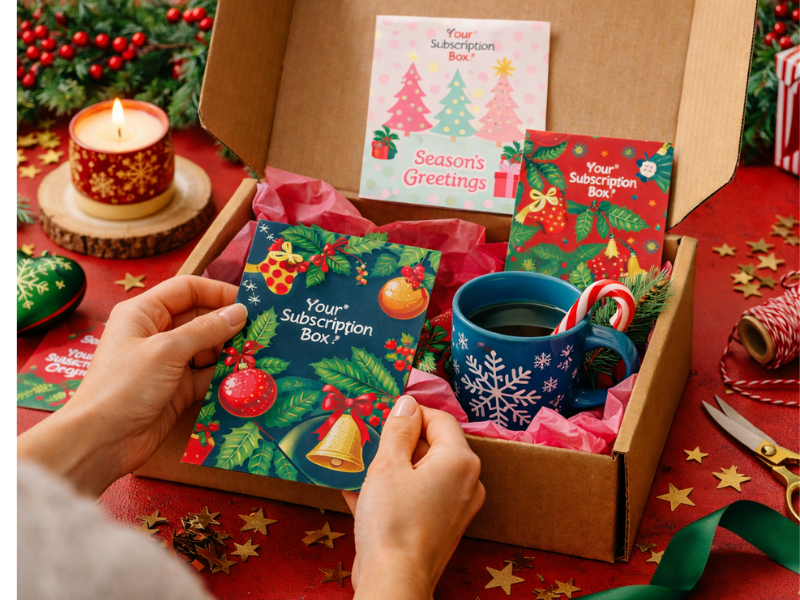
Most subscription brands switch visual elements of identity according to a monthly theme or according to a seasonal theme. As an example, the interior prints or the product card can be changed, whereas the box itself does not change. It keeps its branding familiar but offers something new to the subscribers in every cycle. Continuity of the visuals is used to bridge between the boxes of the past and present releases.
Consistency builds trust. Buyers want to be sure of dependability, particularly when they are charged a fixed price on a regular basis per box. Systems of design that uphold brand consistency through cycle strengthen long term loyalty.
Research on packaging and brand behavior also confirms that packaging design and quality strongly affect consumer trust, purchase intention, and brand loyalty, making it a critical tool for retaining customers in competitive markets
Flexible Layouts for Variable Product Sizes
The layout flexibility is usually critical since subscription brands have a tendency to change curated product solutions. A box should be able to accommodate the different product dimensions without necessarily redesigning its structure. This variation is supported by modular inserts or adjustable compartments.
The cooperation with fulfillment teams at the stage of planning their layout avoids logistical issues. It is aimed at creating a package that responds gracefully to variation instead of limiting product creativity.
Collaboration Between Designers, Brands & Manufacturers
Good subscription packaging design is cooperative. Designers need to liaise well with brand groups and manufacturers to agree on the price, production schedule and delivery performance. Early technical consultation minimizes redesign time and unforeseen costs.
Manufacturers give an understanding about structural feasibility, material optimization and print consistency. Such a collaboration would guarantee that the end box would deliver as anticipated in large production batches. Ignoring the input of the manufacturers usually results in unnecessary production inefficiencies.
Balancing Creativity with Operational Practicality
The packaging of subscriptions must be enthusiastic but not cumbersome. Designers have to consider the impacts of packaging decisions on warehouses, assembly time, and shipping effectiveness. Excessively complicated designs may slow down the fulfillment of them and raise labor expenses.
Finally, the design of great subscription boxes creates the balance between emotional connectivity and operational rigidity. Customer excitement is motivated by creativity and the business model is maintained by practicality.
Section 5: Common Subscription Box Design Mistakes to Avoid
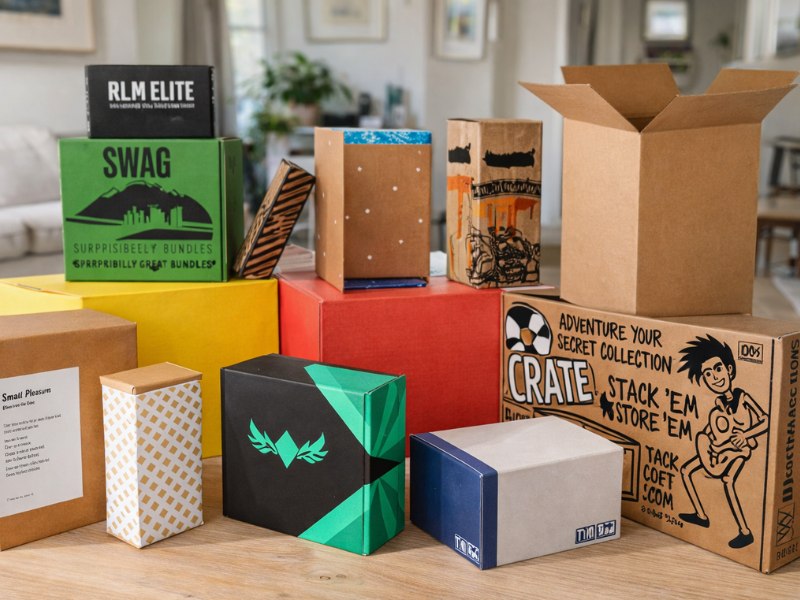
Even well-funded subscription box brands make preventable design mistakes.
- Over-designing the box without considering functionality is one of the most common issues.
- Excessive structural complexity increases cost per box and slows fulfillment without improving the subscriber experience.
- Another frequent mistake is poor interior protection. Fragile home decor, delicate candle holders, or bundled accessories can shift during transit if inserts are poorly planned.
- Damaged products negatively impact subscriber trust and increase replacement costs.
- Ignoring shipping constraints is equally problematic.
- Boxes that are oversized, inefficient to stack, or difficult to assemble increase logistics costs.
Designers must think beyond aesthetics and consider how efficiently the brand can ship each subscription cycle.
Section 6: How to Design a Successful Subscription Box (Step-by-Step)
1. Define Your Brand & Target Audience
Begin by defining your brand personality and expectations. Meanwhile, a high-end home decor subscription will demand a variant of approach as compared to a fun lifestyle monthly box. The building, materials and perceived value and price per box should be consistent with perceived value and price per box.
2. Choose the Right Structure & Materials
Choose heavy-lasting but effective materials that favour repeated cargo transportation. The reason why corrugated mailer boxes are widespread is that they contain curated contents and are affordable at large quantities. The appropriate structure must offer a balance between protection, sustainability as well as feasibility in production.
3. Plan the Interior Before Visual Design
Graphic styling should be planned out before layout. Decide on the positioning of the curated items within the box and the accessibility of the items step by step by the subscribers. A reflective structure makes it orderlier and more emotional.
4. Design the Unboxing Journey Intentionally
Consider the disclosure order. Is it better to have the premium items at the first? Is there to be any printed note welcoming the subscribers to this month theme? The box is turned into an experience not a shipment in the intentional sequencing.
5. Prototype and Test
Physical models show practical problems that computer mockups do not depict. Testing assists in testing durability, assembly time, and presentation in general. Prototyping minimizes the risk prior to massive production batches.
6. Optimize for Cost & Scalability
The subscription boxes should be cost-efficient. Assess manufacturing price per box, warehousing and transportation efficiency. Scalable design systems facilitate expansion without structural redesigns all the time.
Frequently Asked Questions
1. Why is interior design so important for subscription boxes?
Because subscribers expect more than products they expect an experience. A well-designed interior increases excitement, reinforces value, and improves retention over time.
2. What box type works best for subscription services?
Durable mailer-style boxes are most common because they protect products during shipping and provide ample branding space. They balance cost efficiency and structural strength.
3. How can designers keep subscription boxes fresh each month?
By updating interior prints, inserts, or themed messaging while keeping the core box structure consistent. This preserves brand identity while maintaining excitement.
4. Can subscription box packaging be sustainable?
Yes. Using recyclable materials, reducing unnecessary inserts, and optimizing box size lowers waste. Sustainable packaging choices also strengthen brand credibility.
5. Should small brands invest in custom packaging early?
Yes. Even simple branded boxes significantly improve first impressions. Strong packaging enhances perceived value and supports long-term subscriber loyalty.
Conclusion
An effective subscription box transcends the shield it brings preciosity, dependability, and brand narrative. Consistent branding, mindful design, and effective strategic interior setups turn regular deliveries into exceptional experiences. Packaging can be used as a retention tool but not a cost center when it is properly designed.
As a design-focused and manufacturing company at Tandee, we develop opportunities to create scalable subscription packaging that is creative, durable and economical in production. Structured packaging strategy makes it or breaks it whether you are starting your own subscription box or improving an already existing model.
Call to Action
Are you willing to upgrade your sub-packaging?
Collaborate with Tendee to create sustainable, expandable, and aesthetically attractive subscription boxes subscribers will be eager to get each month.
👉 Visit itendee.com to get a quote or see our custom packaging options of subscriptions.


