

Introduction
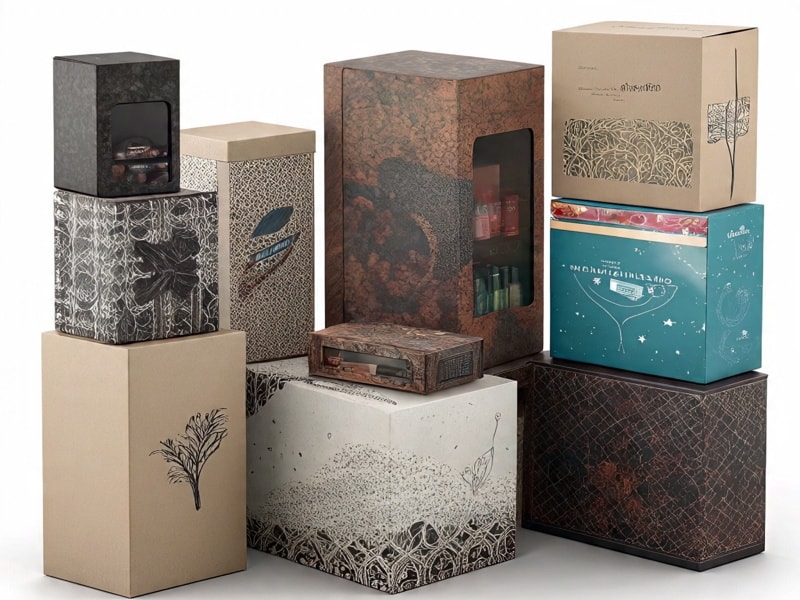
Packaging designs boxes are more than just a way to ship products; they shape how customers see your brand and decide what to buy. The right custom packaging helps businesses create packaging that fits the product, controls cost, improves display, and builds confidence in the market. Hence, brands that use well-planned box design, custom box structures, and eco-friendly packaging often sell better, connect faster with customers, and stand out on shelves and online.
In this complete guide, you will see how to create custom product packaging by choosing the right box, material, size, dimensions, and cut lines while keeping print, style, and setup simple. You will also learn how to customize your box using templates, design tools, logos, artwork, interior layout, and packaging design elements that matter.
This guide will also cover gift boxes, mailer boxes, shipping boxes, and product boxes designed to protect, display, and sell. Now let’s get into all the details and explore the full process of custom box design and building packaging solutions that truly work for your business.
When Should You Use Carton Packaging? – Custom Product Packaging Guide for Wholesalers and Retailers
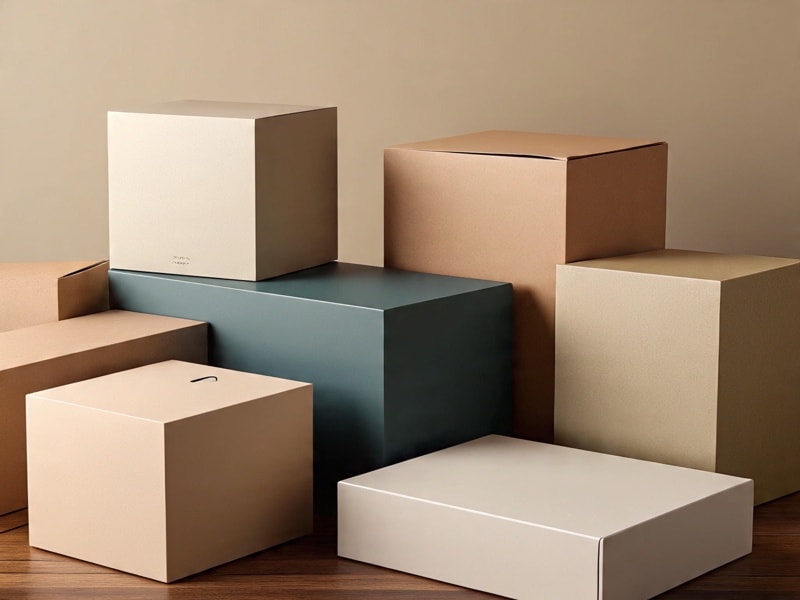
Carton packaging is a great choice when you want packaging designs that look good, cost less, and clearly show your brand. It works best for lightweight to medium-weight products and product boxes that need strong packaging design, clear print, and a clean display on shelves or online.
Many businesses use carton packaging to create packaging that helps customers connect with the product, understand key information, and feel confident about what they are buying. This makes cartons ideal for gift boxes, mailer boxes, and custom product packaging where logos, artwork, background images, and box design elements really matter.
And with the right material, dimensions, structure, and cut lines, you can customize your box using templates or design tools to build a complete packaging solution that fits your market and budget.
Cartons are also commonly used for cosmetics and personal care products, food and snacks like dry goods, pharmaceuticals and supplements, electronics accessories, fashion items, and small consumer goods.
These products benefit from a custom box design because the interior, size, style, and print setup help protect the product and improve how it sells. Carton packaging also supports eco-friendly goals, reduces shipping costs, and makes it easier to create, customise, and update your packaging as your business grows.
However, carton packaging is not ideal for very heavy items or fragile products without inner protection, and it should not be used alone for long-distance shipping without secondary packaging. In these cases, stronger shipping boxes or added protection inside the box are needed to guarantee safety during shipping.
Folding Box Carton – Why It’s the Most Searched Type
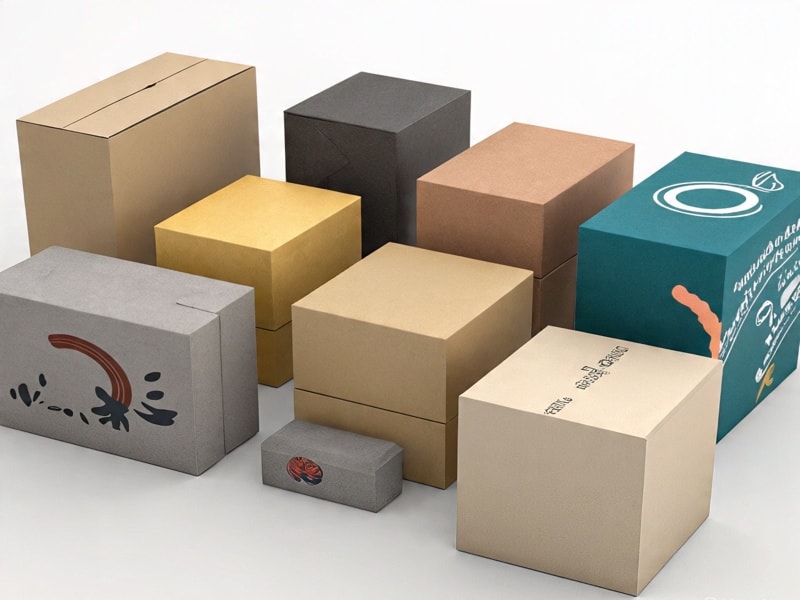
When buyers search for “folding box carton,” they are usually looking for a packaging option that is simple, affordable, and easy to use for retail products. Most people mean a carton box that ships flat, folds into shape quickly, and gives enough space for print, branding, and product information. It makes sense because folding box cartons are one of the most practical and cost-effective packaging ideas on the market today.
One major reason folding cartons dominate retail packaging is their clear advantages. Aside from shipping flat, which saves money on storage and transport, it helps businesses manage costs better. Assembling is also fast, so production and fulfilment move more quickly, even for projects with tons of boxes. The smooth surface also supports high-quality print, giving brands more inspiration to add logos, images, and designs that connect with customers and fit the intended style.
There are a few common folding carton structures every buyer should note. For instance, tuck-end cartons are popular for everyday product packaging and are easy to open and close. While, Auto-bottom cartons are preferred for heavier items because they offer extra support and save setup time. Buyers often compare straight-tuck and reverse-tuck designs depending on how they want the box to open, display, and rest on shelves.
In other words, Folding box cartons work best for shelf-ready retail packaging, subscription product inner boxes, and branded product presentation. They give businesses a sense of flexibility, allowing easy updates to a file or design without starting a new project from scratch. So if you are searching for a free template, fresh ideas, or a box style that balances money, transparency, and branding, folding cartons are a smart place to start.
Product Carton vs Other Box Types (Decision Comparison)
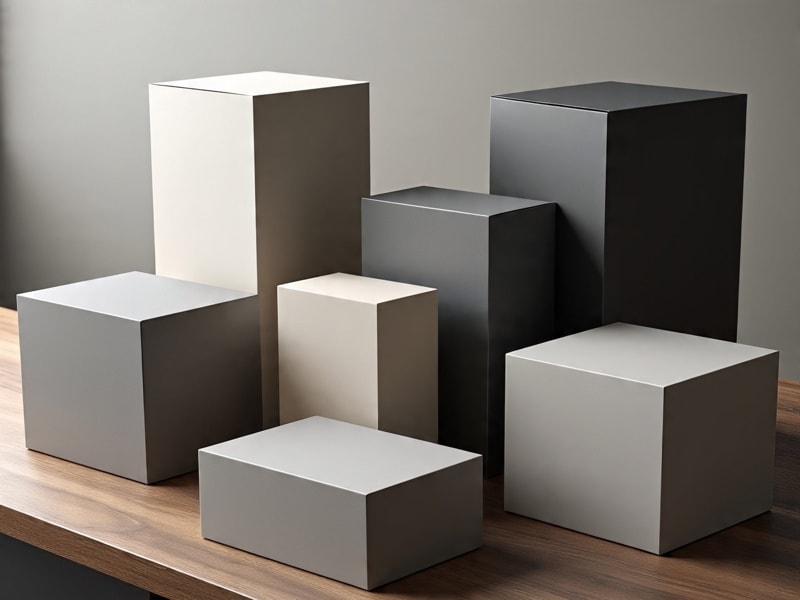
Choosing the right packaging can make a big difference in how a product is protected, presented, and perceived. This section briefly compares product cartons with other box types to help clarify which option best fits different packaging needs.
| Packaging Type | Best Use | Why Choose It |
| Product Carton | Retail display, branding-focused packaging | Cost-effective, printable, professional look |
| Corrugated Box | Shipping & logistics | High protection, stackable |
| Rigid Box | Premium & luxury products | High perceived value, durability |
| Mailer Box | Direct-to-consumer shipping | Easy fulfilment, branding inside & outside |
In the end, cartons are designed to make products look good on shelves, not to handle the demands of shipping. They focus on presentation and branding first, while other packaging types are better suited for transport and heavy protection.
“Box of Cartons” – What This Means for Buyers & Procurement
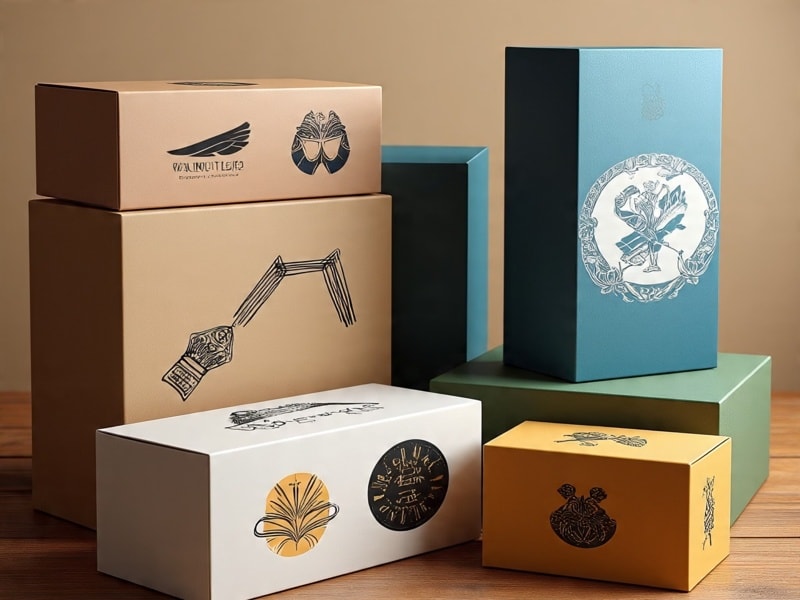
When buyers or procurement teams use the term “box of cartons,” they are usually talking about cartons that are packed in bulk and shipped flat together in a larger box. This is a common commercial term used by manufacturers and suppliers to explain how cartons are quoted, stored, and delivered. Understanding this wording helps buyers avoid confusion and make better decisions during the ordering process.
This detail matters because it directly affects minimum order quantity, warehouse space, and logistics cost. As ordering cartons in bulk can lower the unit cost per carton, but it also means you need enough space to store flat-packed boxes. It also impacts shipping cost, since flat cartons take up less space and are easier to transport than pre-assembled boxes.
Before placing an order, buyers should always confirm a few key details. Ask how many units are inside one master carton, whether the cartons are delivered flat-packed or pre-glued, and what level of assembly is required. Clear answers to these points help control cost, improve planning, and ensure the cartons fit your production and fulfilment setup.
How to Choose the Right Carton Packaging for Your Product – Best Packaging Solutions
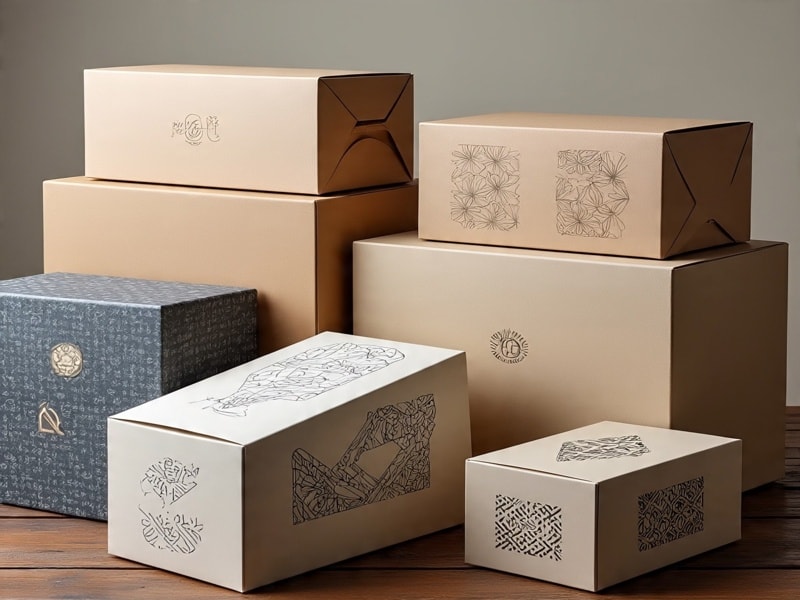
Choosing the right carton packaging goes beyond appearance and should be based on clear, practical decisions. The right choice influences product protection, cost, branding, shipping efficiency, and how customers interact with your product. By looking at a few key factors, you can select carton packaging that reduces waste, controls spending, and fits your product and business needs. Here are some of them:
- Product size and weight
The size and weight of your product determine the carton’s board thickness and overall strength. Lightweight products can use thinner paperboard, reducing costs. Medium-weight products need stronger material to prevent bending or damage during handling and shipping. Always measure your product accurately so the carton dimensions fit well and reduce space inside the box. - Sales channel
Where you sell your product matters, because retail shelf packaging needs strong visual appeal, clear printing, and a sturdy structure that stands confidently on display. In contrast, e-commerce packaging shifts the focus to protection, proper fit, and durability during shipping. Since online products usually travel inside shipping or mailer boxes, the cartons must be designed to minimize movement, reduce damage, and help prevent costly returns. - Brand positioning
Your brand positioning plays a key role in shaping the carton style and finish you choose, setting the tone for how your product is perceived. Mass market products typically require simple, cost-effective packaging that can be produced efficiently at high volumes. On the other hand, premium brands often invest in custom carton structures, high-quality printing, and special finishes to create a more impactful experience. In the end, the carton should clearly reflect how you want customers to see and remember your brand.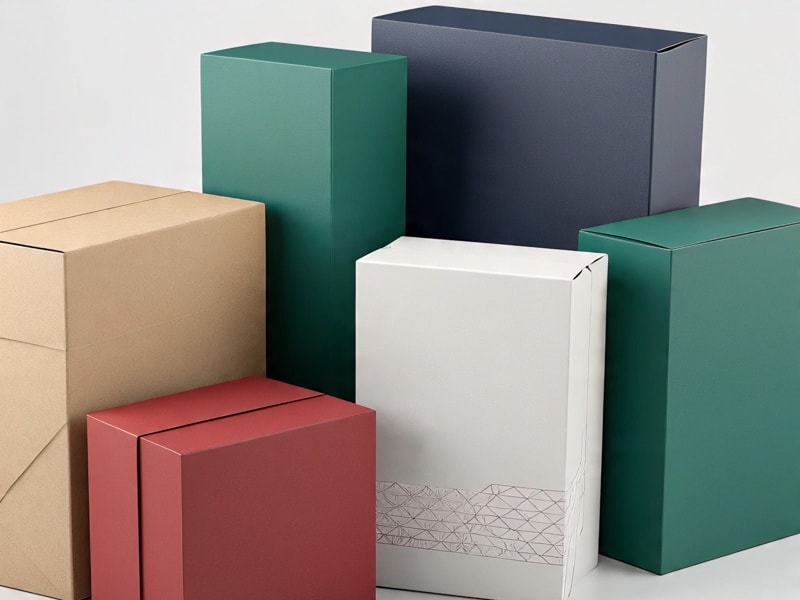
- Printing and finishing needs
Think about how much information and design your carton needs, as this will guide your printing and finishing choices. CMYK printing works well for full-color designs and detailed images, while spot colors are better for achieving exact brand colors and consistent logos. When it comes to finishes, matte coatings create a soft, modern feel, whereas gloss finishes make colors pop and grab attention. Ultimately, your choice should strike the right balance between appearance, readability, and cost. - Budget and order volume
Your budget and order size directly influence the materials, structure, and print options you can choose. Larger order volumes usually reduce the cost per unit, while smaller runs may limit customization and increase overall costs. For new products, simple carton structures and standard materials are a smart way to keep expenses under control. To avoid surprises, always request clear pricing that’s based on your required quantity. - Sustainability goals
If sustainability matters to your brand, start by choosing recyclable paperboard and limiting heavy coatings or plastic layers. This approach helps reduce environmental impact while also appealing to modern, eco-conscious customers. By using simple designs, minimal ink coverage, and responsibly sourced materials, you can meet your sustainability goals without significantly increasing costs.
Making these decisions early helps you choose carton packaging that protects your product, supports your brand, and works smoothly across production, storage, and shipping.
Common Carton Packaging Mistakes to Avoid
Even with great ideas, the wrong carton packaging can cause serious problems for your product, brand, and shipping process. Here are some common mistakes to watch out for, explained in detail:
- Choosing cartons too thin for product weight: Using paperboard that is too light for your product can lead to bending, tearing, or crushing during handling and shipping. For heavier items or products with irregular shapes, the wrong board thickness can ruin the unboxing experience and increase returns. Always match the material strength to the product’s size, weight, and intended shipping method to protect your investment and maintain customer satisfaction.
- Over-designing when budget or volume doesn’t support it: It’s tempting to add premium finishes, custom cut lines, or full-color artwork on every box, but this can backfire if your order volume is small or your budget is limited. Over-designing can slow production, increase cost per unit, and make scaling your packaging project harder. Focus on designs that deliver maximum branding impact without exceeding your financial or operational capacity.
- Ignoring assembly efficiency for fulfilment teams: Some cartons may look great on paper, but turn out to be time-consuming to fold, glue, or set up in real use. When assembly is too complex, it can slow down your fulfillment process, increase labor costs, and reduce overall efficiency. Choosing carton structures that are easy to assemble, with clear-cut lines and simple fold patterns, helps your team pack products faster while maintaining consistency and quality.
- Treating cartons as shipping boxes: Cartons designed for display, branding, or product presentation are not always strong enough for shipping on their own. Using them as shipping boxes can result in damaged products, poor customer experience, and extra returns. Always consider whether additional shipping boxes, padding, or mailer boxes are needed to protect your products in transit while maintaining the packaging design integrity.
- Underestimating the branding impact of packaging: Packaging is a direct reflection of your brand, shaping the first impression customers have of your product. When print quality is poor, artwork is inconsistent, logos are unclear, or design elements are weak, the product can easily appear cheap or unprofessional. Customers pay close attention to details like colour accuracy, finishes, and box structure, and these elements strongly influence how they perceive your brand and whether they choose to buy. By investing in well-thought-out custom packaging, you ensure your brand message is clear, and your products stand out confidently in a crowded market.
Avoiding these mistakes helps you create packaging designs boxes that protect your products, impress customers, support your brand, and run efficiently across shipping, storage, and display.
Carton Packaging – Buyer-Focused Questions
What is the real difference between a carton and a box?
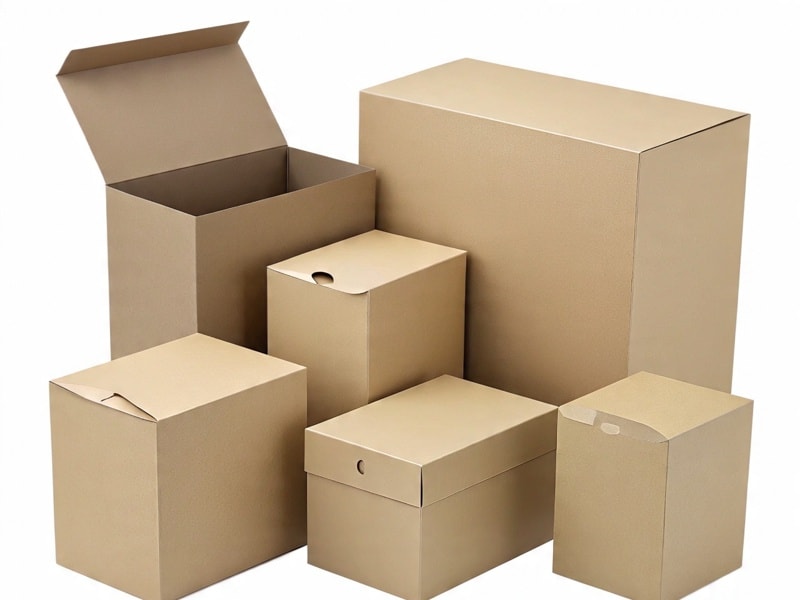
A carton usually means a lightweight paperboard box for retail or product packaging, designed for display and branding. A box is a broader term, including corrugated or rigid boxes used for shipping, storage, or heavy-duty purposes.
Are folding boxes cartons suitable for e-commerce?
Yes, but it works best as inner packaging placed inside a strong shipping box. This extra layer helps protect the product during handling and transit, while still delivering a clean, premium unboxing experience for the customer.
How many cartons come in a box of cartons?
It depends on the carton size, material thickness, and how they are packed (flat or partially assembled). Because quantities can vary, it’s always best to confirm the exact count with your supplier before placing an order.
Are cartons strong enough without plastic?
Yes, for many products they are. With the right paperboard grade, a well-designed structure, and optional inserts or partitions, cartons can provide reliable protection without the need for plastic.
Can cartons still feel premium?
Absolutely. High-quality printing, premium finishes, coatings, embossed or foil logos, and smart structural designs can give cartons a high-end look and feel without relying on extra materials.
Conclusion
Carton packaging isn’t just about choosing a box, it’s about finding the right fit for your product, brand, and customers. And when done well, folding box cartons and custom product packaging save money, protect your items, and strengthen your brand’s presence.
Now that you understand how to select, design, and use cartons effectively, consider creating a custom box for one of your products to see how it improves branding and customer experience. For more inspiration and practical ideas, explore our guide on the Top 10 Design Box Design Ideas to Transform Your Packaging Strategyto learn how to build packaging that truly sells.
CTA: Choose the Right Carton Packaging for Your Product
Planning new packaging or upgrading your current cartons? Start by defining your product needs, branding goals, and order volume, then select a carton structure that supports both your business and your customer experience.
As a leading manufacturer with over 15 years of experience in packaging solutions, Itendee specialize in delivering high-quality cartons, gift boxes, mailer boxes, and custom product packaging that protect your products, enhance your brand, and delight your customers. Ready to see how our solutions can work for your business? Send us a request or visit our website for a free consultation or download our product catalogue to explore custom packaging ideas.


