
Introduction
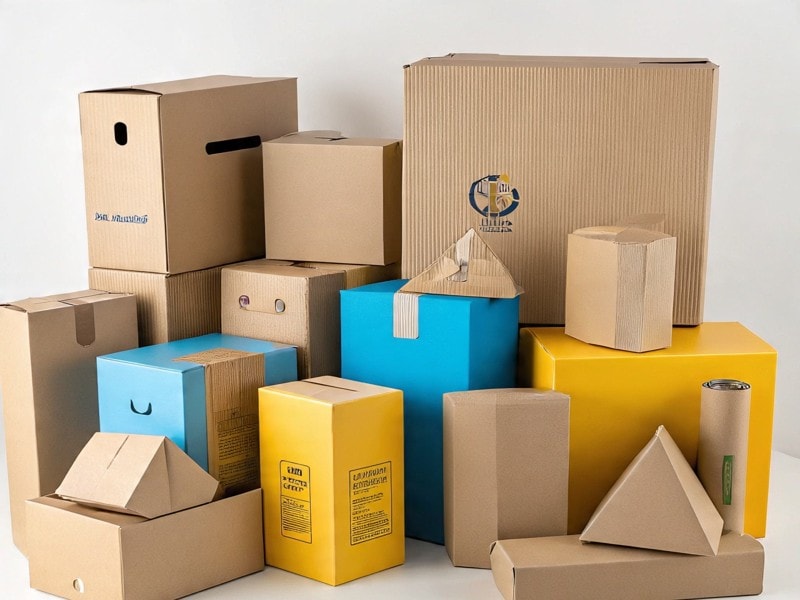
Carton packaging is one of the most common packaging options used for food, personal care, beauty, and everyday consumer products. Folding cartons, folding carton packaging, and folding carton boxes made from paperboard or paper are lightweight, easy to print, and designed to protect the product inside while helping the brand stand out.
Many companies choose cartons because they support high-quality printing, allow strong graphics and colors, and work well for marketing and product display. These boxes are also widely used because they are recyclable, often made from recycled material, and help reduce waste during production and shipping.
In this article, we explain what carton packaging really is, the main types of cartons, and how they compare with corrugated cardboard containers. You will also learn how to choose the right size, thickness, style, and design to meet your business needs and boost sales.
Let us now break down how carton packaging works and why it remains a smart option for modern packaging.
What Is Carton Packaging? – Custom Paper Box Manufacturer
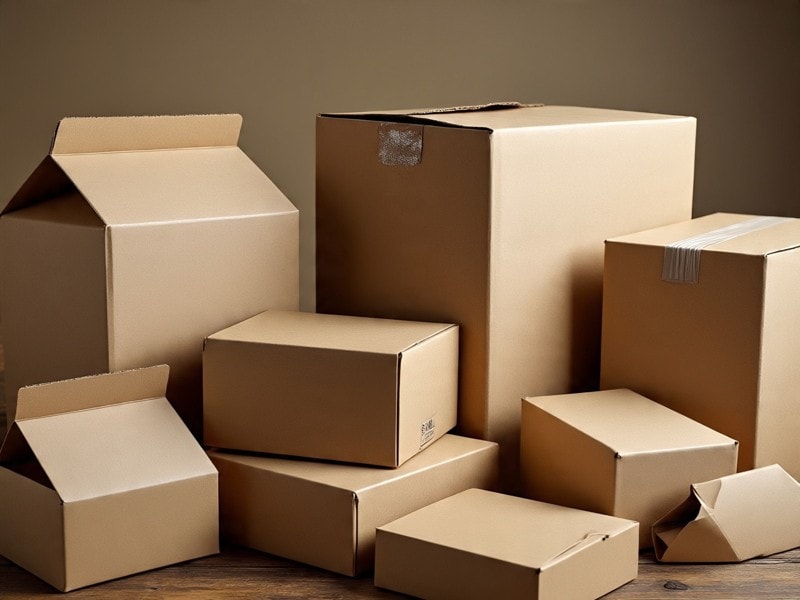
Carton packaging refers to boxes made mainly from paperboard or light paper material that are used to pack, protect, and present a product. These cartons are common in food, personal care, beauty, and cosmetics because they keep the product inside safe while helping the brand look clean and professional. Folding cartons and folding carton boxes are a popular type because they are easy to store, easy to handle by hand, and simple to use during production.
Folding carton packaging works by using paperboard that can fold flat and open into shape when needed. This process saves space during shipping, keeps costs low, and reduces waste. The smooth surface supports high-quality printing, clear graphics, and bright colors, which help products stand out on the shelf and attract customers. Many cartons are also recyclable or made from recycled paperboard, making them compatible with low-waste packaging goals.
Cartons are different from other boxes in both material and use. Rigid boxes are thicker and often used for gift or luxury items, while corrugated cardboard boxes use a flute layer for strength and are better for heavy shipping. Carton packaging also sits in between, offering enough protection at a lower cost while keeping good quality and style. This makes cartons a standard option for businesses that want packaging that fits the product, supports marketing, and meets everyday consumer needs.
Main Types of Cartons – Retailers and Personal Care Guide
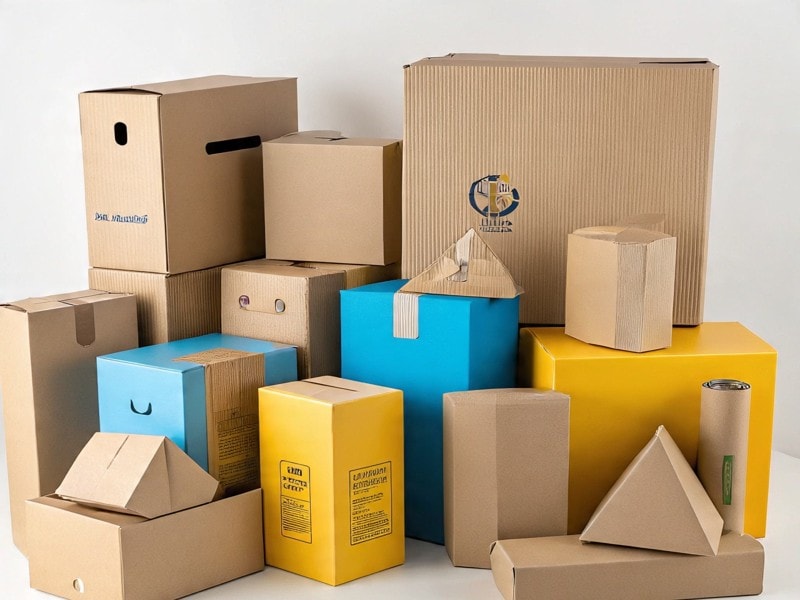
Cartons come in different types, each designed to protect products and boost brand appeal. Here are the main types and their uses.
1. Folding Carton Packaging (Folding Box Carton)
A folding carton is made from paperboard packaging that can fold flat and be set up when needed. It is commonly used to produce packaging for food, cosmetics, pharmaceuticals, electronics accessories, and other consumer items. These cartons are easy to assemble, simple to store, and help avoid high shipping costs.
In addition, folding cartons can be customized in shape, size, and print to create strong shelf appeal. High-quality printing, multiple colors, and added features like window patches help customers see the product inside while boosting brand visibility.
2. Product Carton
A product carton is a general type of carton used to encase a specific product. Product Carton is often customized to provide important details such as labels, safety information, and branding. These cartons are designed to fit the product well, protect it during handling, and present it clearly to consumers on store shelves or during shipment. Product cartons also help businesses communicate value and quality while keeping packaging simple and effective.
3. Box of Cartons (Bulk Cartons)
A box of cartons refers to cartons grouped together for transport or storage rather than for direct product display. This option is commonly used in wholesale, fulfilment centres, and distribution stages to manage large orders. While it is not a packaging type for the end customer, it helps organize items, reduce waste, and improve handling during the packaging process.
4. Specialty Cartons
For products that need more than standard packaging, specialty cartons provide creative and practical solutions. They are designed to enhance presentation, improve usability, and overcome common packaging limitations.
Windowed cartons, for example, let customers see the product inside, while die-cut cartons use custom shapes or openings to make handling easier and add visual appeal. Tuck-top and auto-bottom cartons offer quick assembly with secure closure, making them ideal for efficient production and practical use.
Uses & Benefits of Carton Packaging
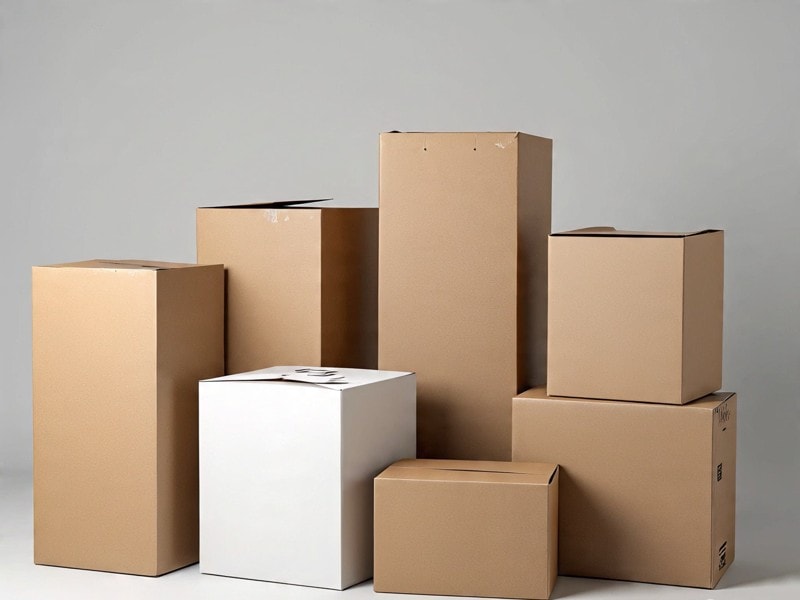
Carton packaging offers many benefits for businesses and products. It protects items, keeps costs low, supports printing and branding, saves space in storage and shipping, and can even be made from recycled materials. Here are the main uses and advantages of using cartons.
1. Product Protection (Corrugated Cardboard)
Folding cartons and folding carton packaging protect products from dust, light pressure, and minor impacts. For food and fragile items, cartons made from solid paperboard or coated paper ensure the product inside stays safe. Corrugated designs or added layers can provide extra cushioning for delicate goods, while rigid cartons offer sturdier protection for luxury items or gifts.
2. Cost-Effective
Cartons are generally lighter and cheaper than rigid or corrugated boxes. This type of packaging reduces material use and shipping costs while still maintaining quality, making it a standard choice for businesses that want to produce and pack efficiently.
3. Print & Branding Potential
The smooth paper surfaces of folding cartons make them ideal for printed graphics, logos, and product information. Companies can create attractive designs, use a variety of colors, and add finishing touches to enhance the product stand and appeal to customers. Well-designed cartons also help communicate brand style and quality.
4. Storage & Transport Efficiency
Folding cartons can be packed flat, saving space in storage and shipping. Their size, shape, and material make them easy to handle, stack, and organize, which reduces waste and keeps logistics simple.
5. Sustainable Options
Cartons can be made from recycled paper or fully recyclable material, offering eco-friendly packaging solutions. Using recycled or low-waste materials allows businesses to meet sustainability goals while still offering stylish, functional, and safe packaging for food, cosmetics, or gifts.
How to Choose the Right Carton for Your Product
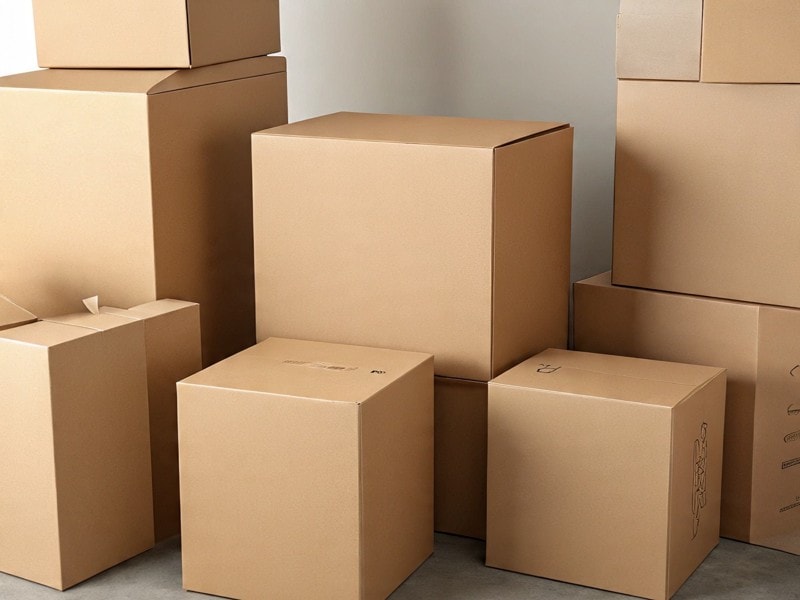
Choosing the right carton is key to keeping products safe, attractive, and easy to handle. Here are the main factors to consider when picking the best carton for your product.
1. Check Product Weight & Fragility: Light products are best suited for folding cartons, as they provide enough protection without adding extra weight. On the other hand Heavier or fragile items may need stronger paperboard, extra padding, or reinforced corners to ensure the product inside is fully protected during shipping and handling.
2. Know the Packaging Purpose: Consider how the carton will be used, whether for retail display, shipping, or storage. Retail cartons may focus on design and branding to attract customers, while cartons for shipping need more strength and durability to protect the product during transport. Also note that storage cartons should be stackable and easy to handle.
3. Consider Design & Branding: The design of the carton can make a big difference in how customers see your brand. Printed surfaces, bright colors, and finishing touches can create a professional look, enhance the product stand, and make the item more appealing on shelves. Customization also allows you to create a unique style that reflects your brand.
4. Think About Sustainability: Using recyclable or eco-friendly paperboard helps reduce waste and supports environmental goals. Sustainable cartons are also appreciated by consumers, adding value to your brand while still providing strength, quality, and protection for the product inside.
5. Look at Assembly & Logistics: Choose cartons that are easy to assemble to save time during production. Simple designs reduce errors, improve efficiency, and make it easier to pack, ship, and store products. This also ensures consistency in quality and presentation for your items.
FAQ- Carton Packaging Explained
What does “carton packaging” mean?
It means packaging made from paperboard or light cardboard. This type of packaging is usually foldable, easy to print on, and can be customized with colors, or designs. Carton packaging is often used to protect products, organize them, and make them look appealing on store shelves.
What is a folding box carton?
It is a carton that can be folded flat for easy storage and then assembled into a box when needed. These cartons are common in retail for things like food, cosmetics, and small electronics. They are lightweight, easy to handle, and can be printed with designs or product information.
Are cartons recyclable?
Yes. Most cartons made from paperboard can be recycled with other paper products. Some cartons may have coatings or small plastic windows, but these usually don’t stop recycling. Recycling helps reduce waste and saves resources by allowing the paperboard to be reused in new products.
What is the difference between a carton and a corrugated box?
Cartons made of paperboard are lighter, thinner, and better for light products or retail displays. Corrugated boxes are made from multiple layers of paper with a fluted middle layer, making them stronger and more durable. They are better for shipping heavy items, stacking, and protecting fragile products during transport.
When should I use a product carton vs. a mailer or rigid box?
Product cartons are best for retail packaging, light products, or items that need branding and printed information. Mailers are better for shipping because they are sturdy and protect products during delivery. Rigid boxes are ideal for premium or luxury items because they are strong, offer excellent protection, and give a high-quality unboxing experience.
Conclusion
Carton packaging offers more than just protection, it’s a smart, flexible solution that can save costs, showcase your brand, and meet a wide range of product needs. Now that you understand its benefits, consider reviewing your current packaging choices to see where cartons can improve efficiency and customer appeal. For deeper insights, explore our guide on custom smart packaging ideas for small businesses to elevate your product presentation and stay ahead in the market.
Call-to-Action
At Itendee, we are a leading manufacturer with over 15 years of experience in delivering high-quality carton packaging solutions. We specialize in custom cartons and folding boxes designed to meet your brand and product needs while boosting protection and presentation.
Ready to find the perfect packaging solution for your products? Place your order today or contact us to discuss your specific requirements. You can also contact our team to request a free consultation, visit our order page to get started, or download our product catalog to explore our full range of packaging solutions.


