
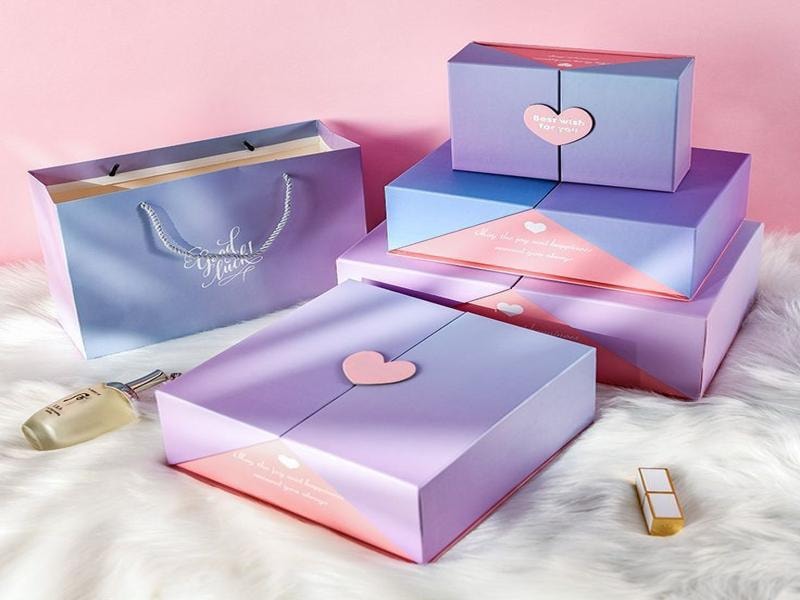
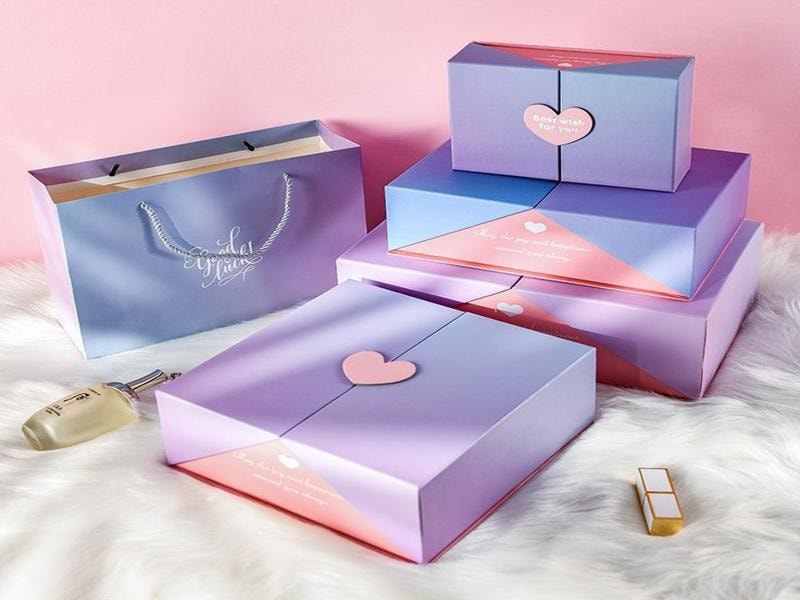
Subscription boxes have changed how people receive their products, by turning regular deliveries into moments customers look forward to. Beyond what sits inside the box, subscription packaging creates the first impression and shapes how customers see your brand.
Hence, the right custom subscription boxes not only protect products during shipping, but also control shipping costs, and deliver a strong unboxing experience for the end user. Today, many growing e-commerce packaging brands now use custom boxes with smart design, quality printing, and the right box size to stand out in the market.
Therefore, in this guide, we explain subscription box packaging, how the design process works, and how to choose custom packaging that delivers value without sacrificing quality.
What Is Subscription Box Packaging? – A Company Guide
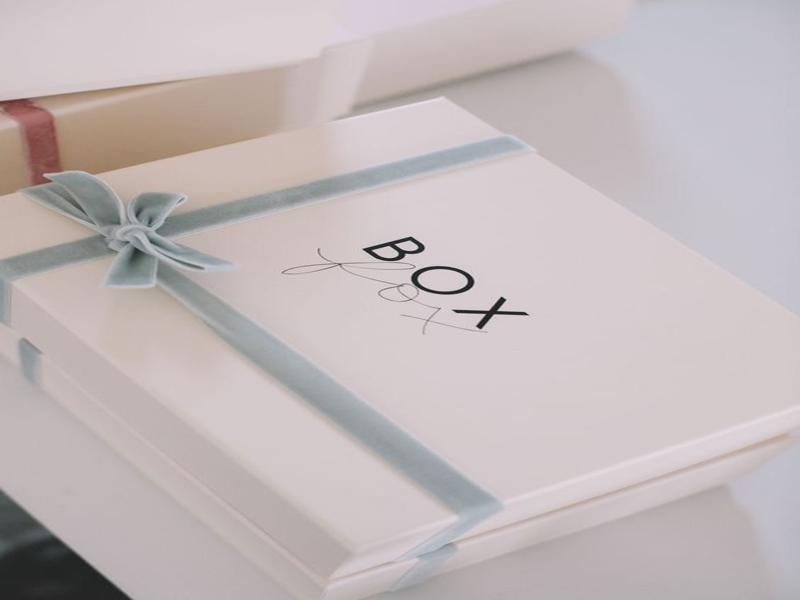
Subscription box packaging is packaging created for products that are delivered to customers on a recurring basis, with a focus on consistency and presentation. Unlike standard shipping boxes, it is designed to fit the product properly while reflecting the brand’s style and values.
Businesses usecustom boxes to protect items during shipping, reduce waste, and control overall costs. This type of packaging also plays a key role in the unboxing experience, helping customers feel excited and appreciated when their box arrives.
When the packaging feels thoughtful and well-made, it leaves a positive impression and encourages subscribers to stay loyal to the brand.
Key Elements of Good Subscription Packaging
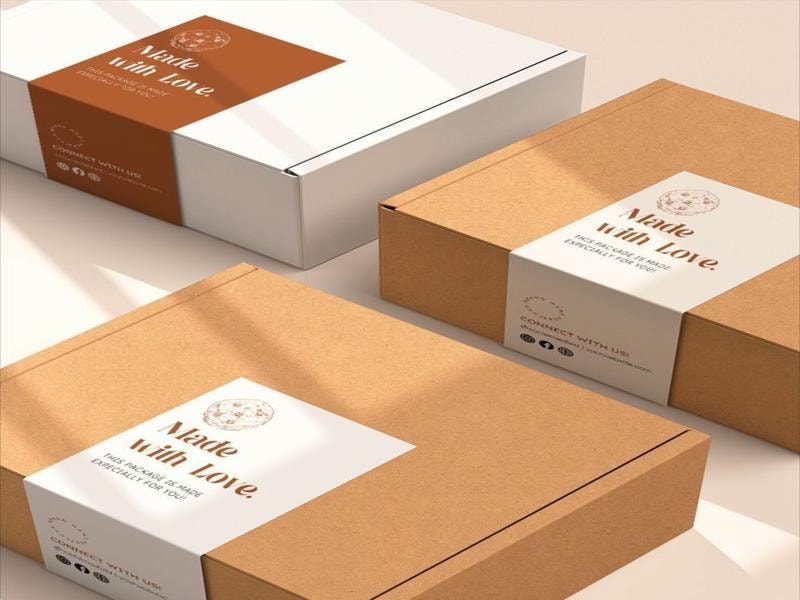
The success of a subscription box doesn’t just come from what’s inside, it also depends on the packaging. Good subscription packaging protects products, shows off your brand, and makes the unboxing experience enjoyable. To get it right, businesses need to focus on these five key elements that make every delivery safe, memorable, and efficient.
1. Box Style & Structure
The style and structure of your subscription boxes play a major role in how well products arrive and how customers feel when they open them. Mailer boxes, tuck-top boxes, and corrugated shipping boxes are widely used because they offer both protection and ease of handling.
Mailer boxes work well for smaller items since they are lightweight and easy to carry, while tuck-top boxes provide added security for fragile products. Corrugated boxes are suitable for larger or heavier items that require extra strength during shipping.
When you choose the correct box size, products sit securely in place, which reduces movement and lowers the risk of damage. Paired with protective materials like bubble wrap, a well-structured box keeps items safe and creates a smooth, satisfying unboxing experience that supports your brand image.
2. Material & Durability
The material and durability of your subscription packaging play a major role in keeping products safe and shaping how customers view your brand. When businesses use strong, high-quality cardboard or corrugated materials, boxes can move through mail and fulfillment without tearing, crushing, or losing their shape.
This strength often comes from factors like e-flute, thickness, and surface finish, which help protect items from rough handling and changing weather during shipping. Durable packaging also supports creative custom designs without sacrificing quality, enabling digital printing, stickers, or die-cut details while maintaining structural integrity.
3. Branding & Customization
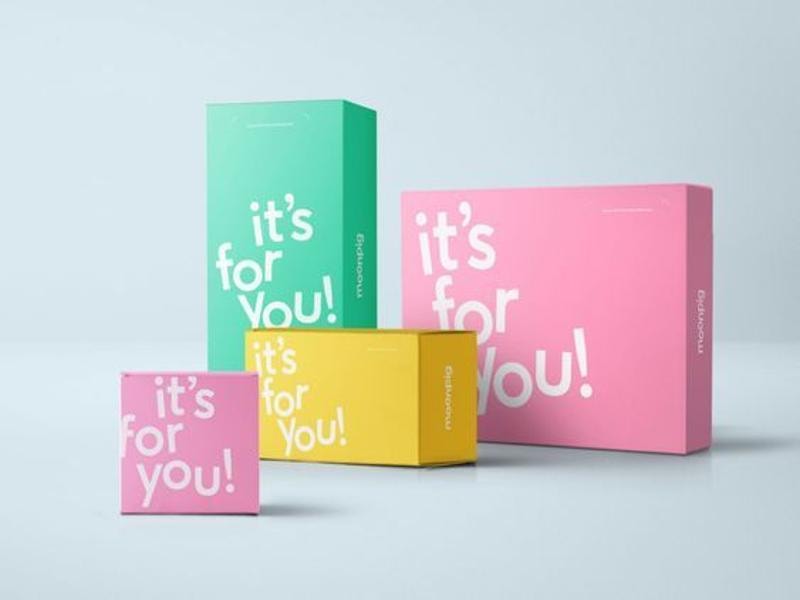
Custom subscription boxes give businesses a strong way to build their brand while making every delivery feel intentional and memorable. Through custom packaging, companies can include logos, stickers, graphics, and unique die-cut designs that make the box easy to recognize the moment it arrives.
As customers receive these consistent designs from their first order onward, they begin to feel more connected to the company, which supports trust and long-term loyalty. Customization also allows businesses to adjust printing capabilities for seasonal promotions, special editions, or wholesale subscription boxes while keeping a unified style.
When done well, subscription packaging moves beyond simple protection and becomes a marketing tool that speaks directly to customers and helps a business stand out in the competitive e-commerce packaging market.
4. Sizing & Efficiency
Choosing the right box size is crucial for protecting products while keeping costs under control. Using custom sizes ensures items fit securely, reducing movement within the box and reducing the need for extra fillers like bubble wrap.
Smaller, well-designed boxes not only reduce shipping costs but also enable faster, more efficient delivery without sacrificing quality. Oversized boxes, by contrast, add weight, increase expenses, and create unnecessary waste, which can affect both the budget and the environment.
In other words, thoughtful subscription packaging balances protection, weight, and mail dimensions to give a smooth experience for the business and the end user, and by considering every detail, from width to depth, companies can save money while delivering maximum value to their subscribers.
5. Sustainability
Many customers now expect sustainable packaging, especially for subscription boxes that ship regularly. Because these boxes are sent out frequently, the packaging used has a significant environmental impact. Using recycled cardboard and eco-friendly kraft materials helps reduce waste and lower the carbon footprint without compromising packaging quality.
Customers also like packaging that looks good while being recyclable, as it shows the company cares about both style and responsibility. Ultimately, when businesses use sustainable subscription box packaging, it improves the overall customer experience, strengthens brand trust, and adds value that subscribers appreciate.
Designing & Sourcing Custom Subscription Boxes
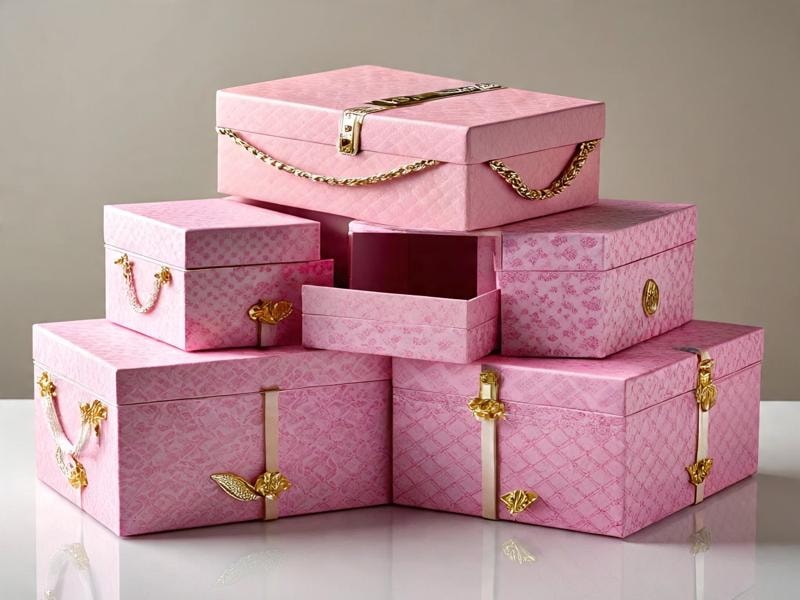
Designing and sourcing custom subscription boxes takes more than picking a box and printing a logo. Businesses need to plan carefully, choose the right partners, and think through production and fulfillment to ensure every box arrives on time, looks good, and protects the product. Each step in the process plays a role in achieving fast shipping, a good price, and a smooth experience for subscribers.
1. Planning
The planning stage determines how well the packaging will perform in real-world conditions. Businesses should clearly outline what goes inside the box, how often it ships, and how often subscribers receive it, while noting key details such as length, size, weight, and brand style to avoid errors later in the process. This careful planning makes it easier to customize packaging, control costs, and support fast shipping without delays or damage.
2. Working with a Subscription Box Designer or Supplier
Working with a subscription box designer or a trusted printer helps turn ideas into usable packaging. A reliable designer helps businesses balance quality and cost while meeting delivery timelines.
These experts also understand materials, printing limits, and production timelines, and they often share real examples to guide decisions. Using the right equipment, designers and suppliers test layouts and samples on a table to ensure the box works in practice, not just in theory.
3. Choosing Empty Boxes vs Fully Custom Printed Boxes
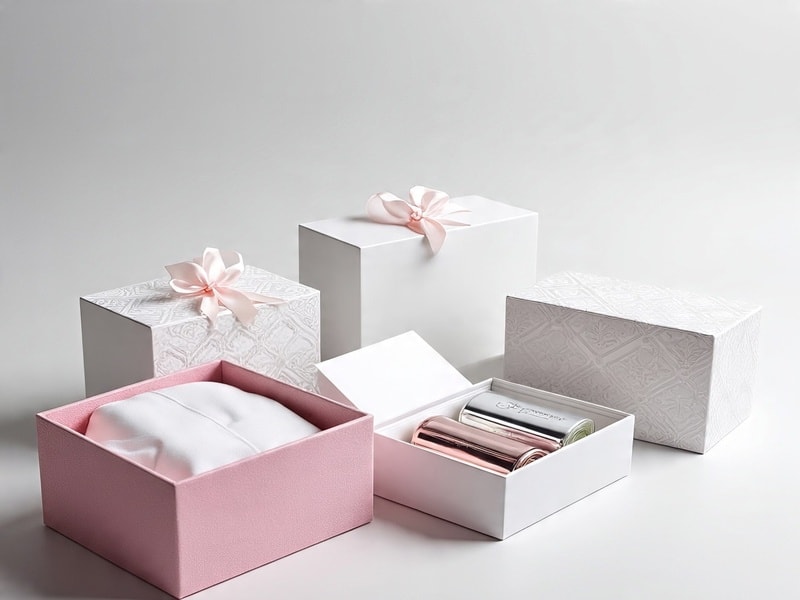
Businesses must decide whether to use empty subscription boxes or fully custom-printed ones. Empty boxes offer flexibility and good pricing, especially for first orders or limited runs, since branding can be added later with labels or inserts.
While fully printed boxes cost more, they create a stronger brand presence and reduce the number of packing steps. Regardless, the right choice depends on budget, branding goals, and the extent of customization the business wants from the start.
4. Production Factors
Production decisions directly affect both cost and timing, as choices around print methods, minimum order quantities, and lead times determine how quickly boxes are ready and how much money is spent per unit. Selecting the right production setup helps businesses manage costs while maintaining quality, and careful planning at this stage helps prevent delays and supports reliable delivery schedules.
5. Quality Control and Logistics
Quality control ensures every box protects the product while fitting smoothly into the fulfillment process, with packaging designed to work easily on packing tables, through handling systems, and across shipping workflows without slowing down operations. When boxes move smoothly through fulfillment and arrive in good condition, businesses reduce errors, save time, and deliver a better experience for subscribers.
Where to Get Empty or Custom Subscription Boxes
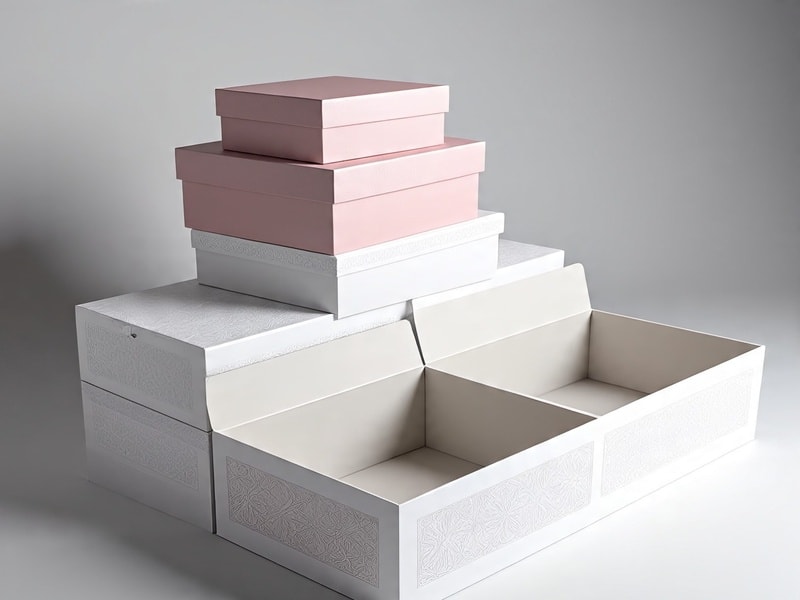
Finding the right supplier for empty or custom subscription boxes depends on your budget, branding needs, and order volume. Many online suppliers offer blank boxes that businesses can customize later, making them a flexible and cost-effective option for first orders or small batches. These suppliers often provide standard box sizes, quick ordering, and reliable delivery, which helps support fast shipping and steady fulfillment.
Print service providers are another popular option, especially for businesses seeking fully branded subscription box packaging. These providers handle printing, finishing, and, in some cases, fulfillment, allowing companies to add logos, graphics, and custom designs in a single process. Working directly with a printer also makes it easier to review samples, understand print quality, and choose the right materials before placing a larger order.
When comparing suppliers, businesses should consider key factors such as minimum order quantity, prototyping options, and available branding features. Lower MOQs are helpful for testing designs, while prototypes allow you to check fit, strength, and appearance before committing. To save costs, many companies choose standard-size boxes, use digital printing for small runs, and rely on just-in-time inventory to avoid storing excess packaging.
Best Practices & Mistakes to Avoid
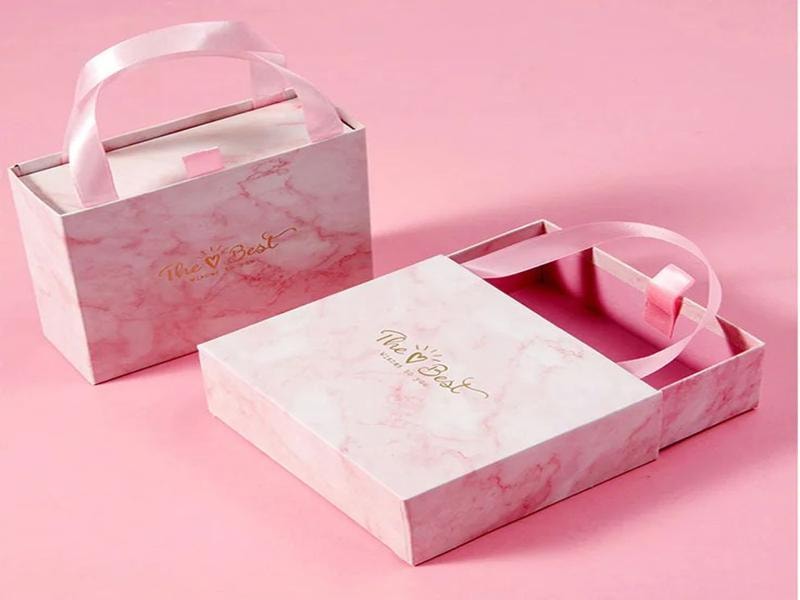
Using the right approach to subscription packaging can help a business stand out, while small mistakes can quietly damage the customer experience. Understanding what works and what to avoid allows companies to design packaging that supports their brand, protects products, and leaves a strong impression on subscribers.
Best Practices
One of the best practices in subscription box packaging is aligning the packaging with the brand story. The colors, graphics, and overall design should match what the company stands for, so customers instantly recognize the brand when the box arrives.
Packaging should also be strong enough to handle shipping stress, as boxes often pass through many hands before delivery. Durable materials help prevent possible damage and keep products looking fresh when opened. Another key practice is making the unboxing memorable by adding thoughtful design elements that spark curiosity and excitement.
Many suppliers now offer free design support and instant quotes on their site, making it easier for businesses to start a packaging project without risk. so, companies can simply request samples, test ideas, and refine the design before moving forward.
Common Mistakes
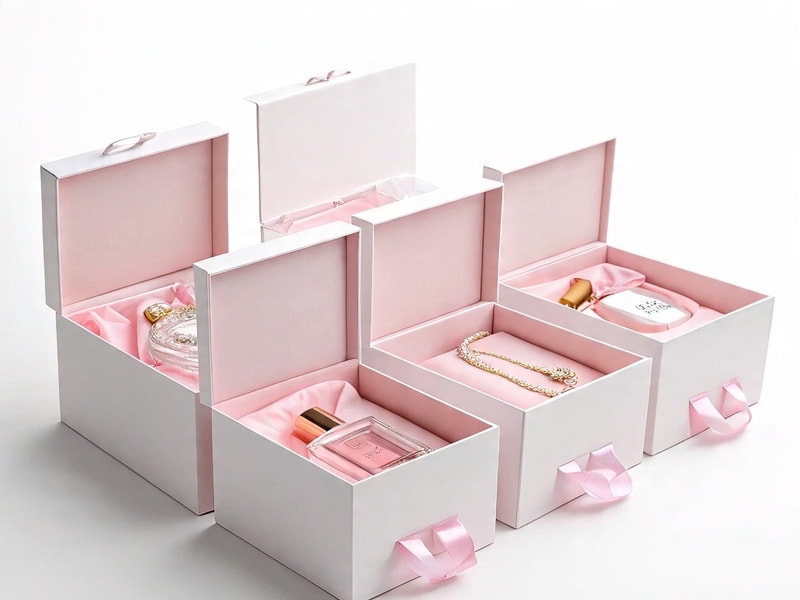
Some packaging mistakes can quietly increase costs and reduce customer satisfaction, even when the product itself is great. Avoiding these common issues helps businesses protect their brand, control shipping expenses, and deliver a better experience to clients. Some of these mistakes include:
1. Using the Wrong Box Size: Choosing the wrong box size often leads to wasted space, higher shipping fees, and products that shift during delivery. Oversized boxes increase weight and cost, while boxes that are too small may damage items. Selecting the correct size ensures the packaging fits the product properly and reduces unnecessary expenses.
2. Ignoring Shipping Stress: Packaging may look good on a design table, but still fail during real shipping conditions. Boxes pass through many handling points, and weak materials can tear or crush before reaching the customer. Ignoring this stress can lead to damaged products and dissatisfied clients.
3. Overlooking Sustainability Demands: Many modern clients expect eco-friendly packaging, and failing to meet this expectation can hurt a company’s brand image. Using non-recyclable or excessive materials can make customers feel the business is out of touch with current values. In essence, choosing sustainable materials allows companies to meet these expectations while maintaining high quality.
4. Poor Branding and Design: Unclear logos, inconsistent design, or poor-quality printing can make subscription packaging feel unprofessional and reduce its impact. When branding is weak, customers may be unsure about the company once the excitement of opening the box fades. However, strong, consistent branding ensures the package leaves a lasting impression, making the unboxing experience memorable and reinforcing the company’s identity.
Case Examples – Custom Packaging and Unboxing Experience

Successful brands usually treat packaging as part of the experience, not an afterthought. They invest in smart design and test materials, and often incorporate features such as embossing, debossing, or foil stamping to enhance appearance and create a premium feel.
These details help the box stand out long after the first delivery, even as customers recall past orders. Packaging that fails to deliver often appears generic, arrives damaged, or lacks a clear message, leaving the overall experience feeling incomplete.
By focusing on high-quality packaging, listening to client feedback, and leveraging free tools and support, businesses can create subscription boxes that truly stand out and keep customers coming back.
FAQ – How to Choose & Design Subscription Box Packaging
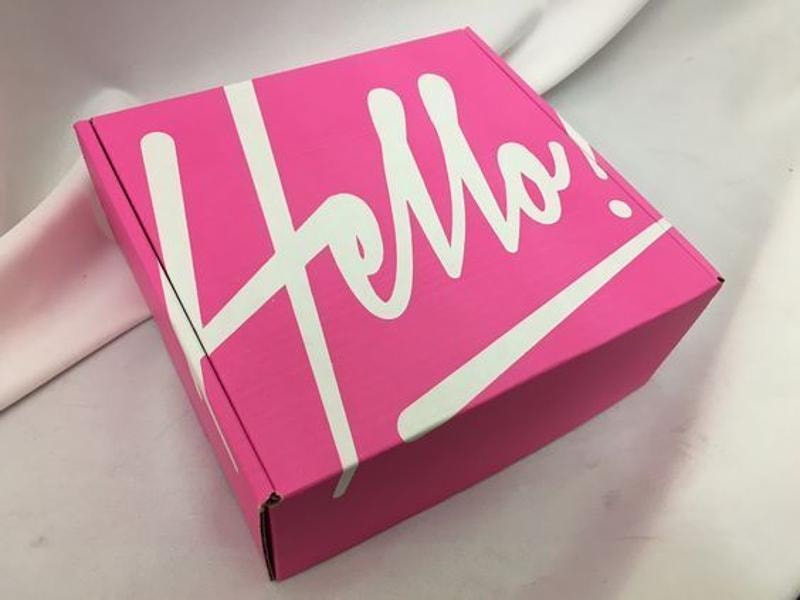
What box styles are best for subscription packaging?
Mailer boxes, tuck-top boxes, and corrugated shipping boxes are the most popular. Mailer boxes are lightweight and easy to carry; tuck-top boxes provide extra security for fragile items; and corrugated boxes are strong enough for larger or heavier products.
Can subscription packaging be reused or made from eco-friendly materials?
Yes. Many businesses use recycled cardboard, eco-friendly kraft materials, or reusable custom boxes. This is because Sustainable packaging reduces waste, appeals to environmentally conscious customers, and preserves quality while remaining stylish.
What is the average cost of custom subscription boxes?
The cost depends on box size, materials, printing, and order quantity. Smaller, standard-size boxes are less expensive, while fully customized boxes with special printing or finishes cost more. To save money using digital printing is another great option
Do I need a designer for my subscription box packaging?
A designer is not always required, but working with a printer or packaging designer can make the process easier. They can help you customize the box, create a professional look, and provide examples before production, which reduces mistakes and improves brand impact.
How many empty subscription boxes should I order for a launch?
Start with a small batch based on the number of initial subscribers or test orders. Ordering too many can increase costs and storage needs, while too few may slow fulfillment. Empty boxes are flexible and can be branded later, which is helpful for the first order or early testing.
Conclusion
Packaging is not just a container, it’s the first physical interaction your subscriber has each month, and that moment should not be forgotten. A well-designed custom subscription box creates excitement, builds loyalty, and strengthens your brand while delivering a memorable unboxing experience.
Don’t forget to consider every detail, from size and materials to style and printing, as even small elements can leave a lasting impression once the excitement of opening the box falls away.
And if you’re curious about improving your subscription packaging, explore our guide on the best special packaging ideas to elevate your product presentation next. It covers eco-friendly materials, cost-saving tips, and creative design ideas to help the rest of your packaging project succeed.
Call to Action
At itendee.com, we specialize in high-quality custom subscription box packaging, including advanced finishing options like die cutting for unique shapes and designs, as well as durable empty boxes for growing brands. With years of experience in packaging solutions, we help businesses create boxes that protect products and elevate the unboxing experience. Contact us today to request a free quote or schedule a quick consultation.


